Q1 2025 Healthcare Data Breach Wrap-Up: 5.6 Million Patient Records Exposed



If the first quarter of 2025 is any indication, healthcare cybersecurity is in critical condition.
From January through March, the healthcare industry saw 160 data breaches, compromising the protected health information of a staggering 5,590,141 patients. While cyberattacks have long been a threat, Q1 has shown that hacking isn’t just a possibility—it’s practically guaranteed.


Let’s break down what happened, what it means, and how your organization can protect itself before Q2 paints an even darker picture.
By the Numbers: A Month-by-Month Breakdown

Worst Month by Volume: January
Worst Month for Healthcare Providers: March
Most Damaging Breach: Community Health Center, Inc. in CT (1M+ records)
Top Threat Every Month: Hacking/IT Incidents
Who’s Being Targeted?
Across the quarter, Healthcare Providers bore the brunt:
- Providers: 121 breaches (75.6%) | 4,004,974 patients affected
- Business Associates: 26 breaches (16.25%) | 1,935,851 patients affected
- Health Plans: 13 breaches (8.1%) | 54,116 patients affected
Key takeaway: Providers are the easiest entry point—but third-party vendors can cause massive damage.
How the Breaches Happened

Hacking continues to dominate, and the sophistication of these attacks is escalating. Ransomware, phishing, and exploitation of third-party software remain the top tactics.
What’s Being Done?
Following the record-breaking breaches in January, regulators proposed stricter HIPAA cybersecurity rules, including:
- Mandatory multifactor authentication
- Regular audits and incident response plans
- Greater scrutiny of third-party vendors
While these changes aim to modernize outdated safeguards, many small healthcare practices are raising concerns about cost and complexity.
Recommendations for Q2: Prevention Starts Now
To avoid becoming the next headline, here’s what healthcare organizations must do now:
- Encrypt everything – Especially mobile devices and backups
- Conduct risk assessments regularly – Identify vulnerabilities early
- Train your staff – Human error is still a major threat
- Audit vendor compliance – Your business associates are your liability
- Have an incident response plan – And rehearse it
Need Help Navigating Compliance?
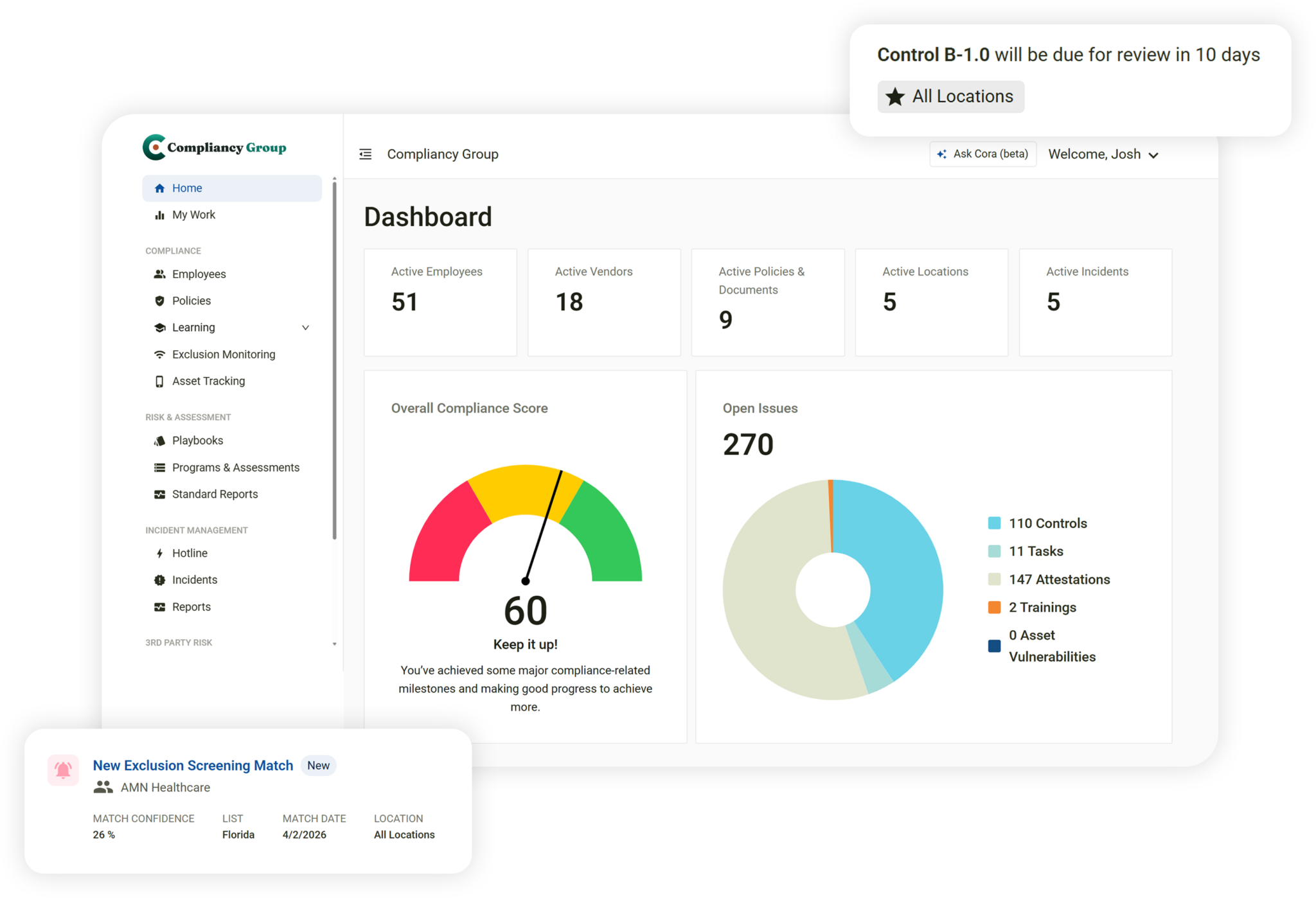
If you’re struggling to keep up with HIPAA and cybersecurity requirements, Compliancy Group can help.
Our platform simplifies compliance—ensuring you’re audit-ready, breach-prepared, and patient-trust-worthy. With tools to manage policies, procedures, training, and risk assessments, you’ll spend less time stressing about breaches and more time focusing on care.
Learn how we can help you stay secure and compliant in 2025.