The Future of Compliance Enablement



As regulatory landscapes evolve and operational complexities increase, the role of compliance is undergoing a significant transformation. The shift is from reactive, check-the-box approaches to proactive, integrated strategies that embed compliance into the fabric of organizational processes.

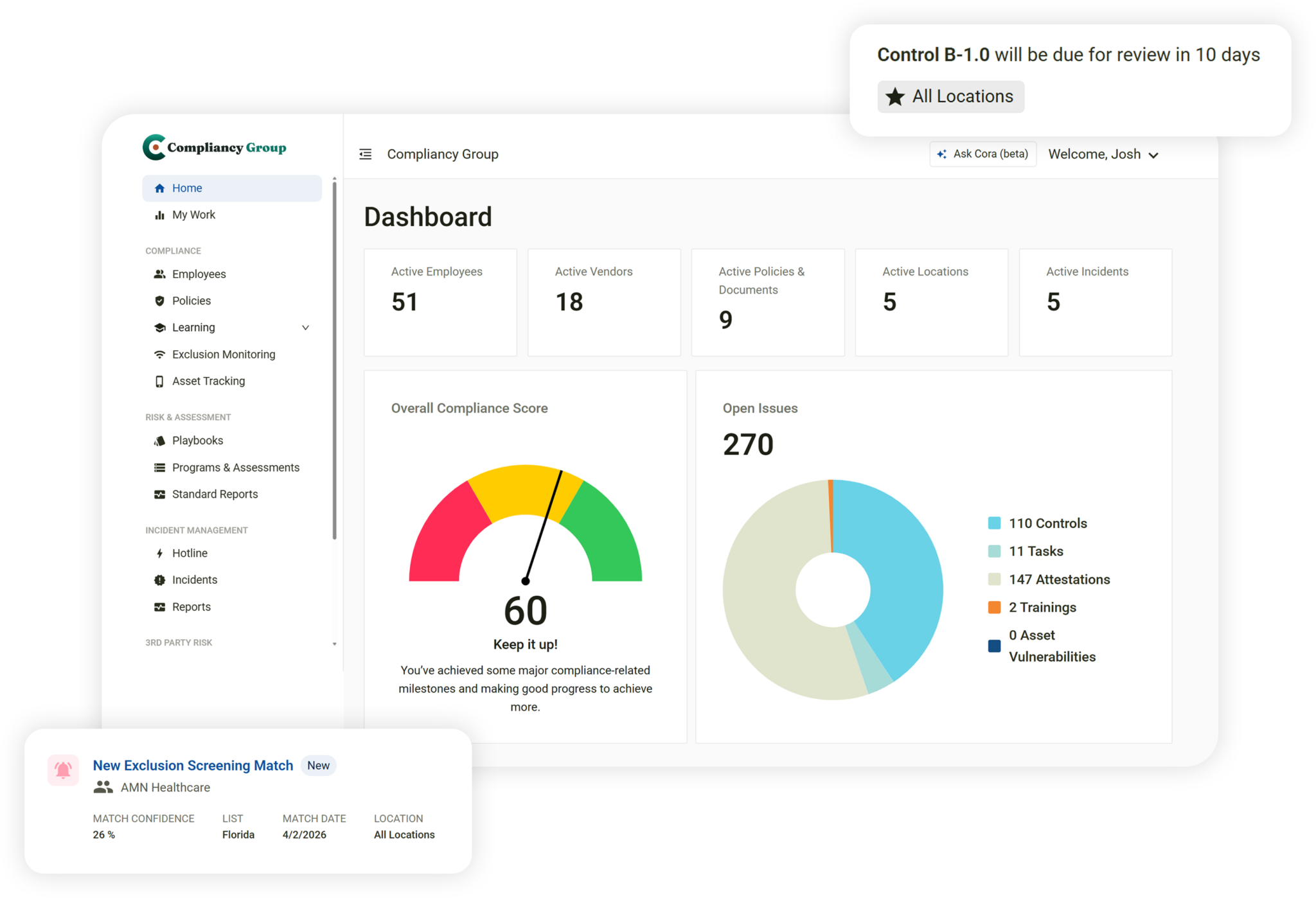

Trends, Predictions & Innovations Shaping the Compliance Landscape
At Compliancy Group, we’ve observed this evolution firsthand, supporting organizations in navigating the complexities of HIPAA, OSHA, OIG, and other regulatory frameworks. Our experience underscores the importance of enabling compliance through streamlined processes, comprehensive training, and effective risk management.
Key Trends in Compliance Enablement
1. Integration of Compliance into Daily Operations
Compliance is no longer a standalone function but is becoming an integral part of daily operations. Organizations are embedding compliance checks into routine workflows, ensuring that adherence to regulations is a natural outcome of business processes.
2. Emphasis on Continuous Training and Awareness
Ongoing education is critical in maintaining a culture of compliance. Regular training sessions, updates on regulatory changes, and accessible resources empower employees to stay informed and compliant.
3. Leveraging Technology for Compliance Management
Advanced compliance management systems are facilitating real-time monitoring, automated risk assessments, and streamlined documentation. These tools enable organizations to respond swiftly to compliance challenges and maintain up-to-date records.
Preparing for the Future
To stay ahead in the evolving compliance landscape, organizations should consider the following strategies:
- Adopt Integrated Compliance Solutions: Utilize platforms that offer comprehensive compliance management, including policy development, training modules, and risk assessment tools.
- Foster a Culture of Compliance: Encourage open communication about compliance matters and involve all levels of staff in compliance initiatives.
- Stay Informed on Regulatory Changes: Regularly review and update compliance policies to reflect the latest regulatory requirements and industry best practices.